
Tourism Beyond Sun City: Pilanesberg and Cultural Routes of the Bakgatla
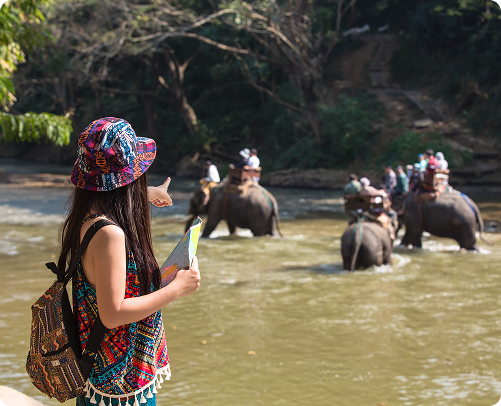
Tourism has long been one of the most resilient and lucrative sectors in South Africa, attracting millions of visitors each year. For the Bakgatla Ba Kgafela Kingdom, located in the North West Province and extending into Botswana’s Kgatleng District, tourism represents not only a commercial opportunity but also a chance to celebrate heritage, preserve culture, and share identity with the world. While Sun City remains a well-known magnet for international travelers, the broader Bakgatla landscape offers treasures that go far beyond luxury resorts—treasures rooted in nature, tradition, and community. Sun City: A Gateway, Not the Destination For decades, Sun City has stood as one of Africa’s premier entertainment resorts, drawing both local and international visitors. Positioned adjacent to Bakgatla land, it serves as an entry point into the region’s tourism economy. Yet Sun City’s entertainment focus means that many travelers never explore the surrounding areas—missing the authentic cultural and ecological richness of Bakgatla territories. By leveraging Sun City as a gateway rather than the sole attraction, the Bakgatla can redirect tourist flows into community-based tourism ventures, cultural routes, and eco-lodges that generate sustainable income and preserve heritage. Pilanesberg National Park: Untapped Potential Just minutes away from Sun City lies one of South Africa’s crown jewels—Pilanesberg National Park. Home to the Big Five and set within an ancient volcanic crater, Pilanesberg offers an unrivaled safari experience. Crucially, much of the land surrounding the park belongs to the Bakgatla Ba Kgafela, giving the Kingdom a strategic stake in shaping the visitor experience. Potential tourism synergies include: By integrating Pilanesberg’s wildlife draw with Bakgatla cultural assets, the Kingdom can differentiate its offering from traditional safari destinations. Cultural Routes: Walking Through History Beyond wildlife, Bakgatla lands are rich in cultural landmarks and ancestral heritage. These routes tell stories that resonate deeply with visitors seeking authenticity: In a global tourism market where authentic experiences are in high demand, the Bakgatla are uniquely positioned to deliver something rare: a living culture, proudly shared on its own terms. Economic Multipliers: Tourism as Community Wealth Tourism is a labor-rich industry, meaning its benefits extend broadly across communities. For the Bakgatla, developing routes beyond Sun City could create: Conservative estimates suggest that expanding cultural and eco-tourism initiatives could generate hundreds of new jobs and bring millions in annual revenue to Bakgatla households. Aligning Tourism With Global Trends Global travel trends are shifting. Tourists increasingly seek eco-friendly, culturally immersive, and socially responsible experiences. The Bakgatla’s offerings align perfectly with this shift: By positioning itself within these global currents, the Bakgatla Kingdom can attract not only standard tourists but also impact-driven travelers who prioritize sustainability and community upliftment. Building a Distinct Brand: Beyond the Resort While Sun City’s reputation is global, it does not define the Kingdom’s tourism brand. The Bakgatla have the opportunity to craft a distinct identity rooted in heritage, nature, and community. This brand would emphasize: Such positioning ensures that tourism revenues are not only captured but also retained within the Kingdom, fueling long-term empowerment. Strategic Investments and Partnerships To unlock tourism’s full potential, the Bakgatla can pursue partnerships in: Infrastructure such as improved roads, digital booking platforms, and multilingual marketing will be critical to positioning Bakgatla routes in the global tourism marketplace. Conclusion: A Tourism Future Rooted in Heritage The Bakgatla Ba Kgafela Kingdom holds a rare opportunity: to redefine what tourism in Southern Africa looks like. While Sun City remains a world-class resort, the true wealth lies in the lands, stories, and traditions of the Bakgatla people. By combining Pilanesberg’s global appeal with cultural routes and community-based initiatives, the Kingdom can transform tourism into a pillar of empowerment, identity, and prosperity. This is not about competing with Sun City—it is about going beyond it, creating experiences that blend heritage with sustainability and positioning the Bakgatla as a leader in Africa’s next generation of tourism. For visitors, it offers more than leisure. For the Bakgatla, it offers dignity, livelihoods, and intergenerational wealth—a legacy as enduring as the Kingdom itself.
Agriculture as a Pillar of Food Security and Job Creation in Bakgatla Lands
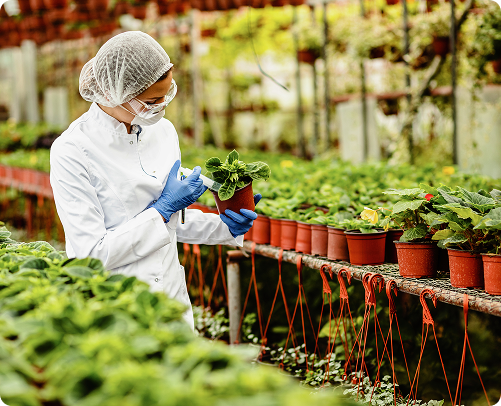
Agriculture has always been more than an economic activity—it is the foundation of food security, cultural continuity, and rural livelihoods. For the Bakgatla Ba Kgafela Kingdom, whose ancestral lands stretch across South Africa’s North West Province and Botswana’s Kgatleng District, agriculture represents one of the greatest opportunities to achieve sovereignty, resilience, and shared prosperity. While mining often dominates headlines, the soil beneath Bakgatla land holds a wealth of potential waiting to be cultivated. The Case for Agriculture in Bakgatla Lands The North West Province receives between 350–650 mm of annual rainfall, sufficient to support cereals like maize, sorghum, and sunflower. In Kgatleng, rainfall is lower (300–450 mm), but drought-tolerant crops such as pulses and groundnuts thrive with modern irrigation methods. Soils are varied but productive: Conservatively, the Bakgatla estate can mobilize 8,000–12,000 hectares of dryland farming and 1,000–2,000 hectares of irrigated horticulture, creating a diversified agricultural base. This natural resource base positions the Kingdom as a regional food basket—capable not only of feeding its own communities but also supplying surrounding markets. Addressing Structural Challenges Despite the opportunity, agriculture in South Africa and Botswana faces systemic hurdles: For the Bakgatla, these challenges translate into import dependency and lost income. Botswana currently imports more than 70% of its vegetables and grains, while South Africa is a net importer of wheat and rice. Substituting even a fraction of this demand locally would unlock millions of dollars in new revenue streams. Domestic and Regional Market Signals Agricultural markets around Bakgatla lands are large, growing, and often undersupplied: For the Bakgatla, entering these markets is less about creating demand and more about meeting unmet supply with competitive, high-quality output. Job Creation Through Agriculture Agriculture is labor-intensive, making it one of the most effective engines for employment in rural communities. At projected scales, Bakgatla farming could generate: Combined, this translates to 3,000–5,000 direct and indirect jobs at steady state—ranging from field labor to processing, logistics, and agri-services. Beyond numbers, agriculture provides inclusive pathways for women and youth. Nursery operations, horticulture clusters, and small-stock management are natural entry points for young entrepreneurs and female-led enterprises. Contract-farming models can also formalize 200–400 smallholders within three to five years, integrating them into profitable value chains. Food Security and Import Substitution One of the most pressing benefits of Bakgatla agriculture is its role in food sovereignty. By substituting imports with local production: This doesn’t just save money—it ensures households are less vulnerable to global price shocks and supply disruptions, improving nutrition and resilience at the community level. Value Addition and Logistics The real multiplier effect of agriculture lies in processing and distribution. Cleaning and grading grains adds 3–8% in value, milling adds 12–18%, and cold-chain horticulture packing can add 10–20%. Meat processing lifts livestock value by 15–25%. Strategically, the Bakgatla can invest in packhouses, micro-mills, and feedlots located near arterial routes like the N4/N1 in South Africa and A1 in Botswana. With 4–6 hour truck-to-market times, post-harvest losses are minimized and just-in-time deliveries to Johannesburg, Brits, Rustenburg, and Gaborone become feasible. Agriculture as Cultural and Economic Sovereignty For the Bakgatla Ba Kgafela, agriculture is not only about economics—it is about identity and continuity. Farming preserves traditional crops, indigenous knowledge, and cultural practices that connect the community to its land. When modern techniques are blended with traditional stewardship, agriculture becomes a living expression of sovereignty. Conclusion: Farming a Future of Prosperity Agriculture holds the power to redefine the Bakgatla economy. With fertile soils, access to regional markets, and the capacity to employ thousands, farming can be the Kingdom’s strongest pillar of food security and job creation. By mobilizing land, investing in value addition, and creating inclusive opportunities for women and youth, the Bakgatla Ba Kgafela can turn agriculture into a source of pride, prosperity, and intergenerational wealth. The choice is clear: mining may bring immediate revenues, but agriculture builds sustainable foundations—feeding families, employing communities, and empowering the Kingdom for generations to come.
Unlocking the Mineral Wealth of the North West: The Chrome Advantage

South Africa has long been known as one of the world’s mineral powerhouses. From gold and diamonds to platinum and coal, the country’s underground wealth has shaped its economy and global standing for more than a century. Yet in recent years, one mineral has risen above the rest as a strategic global resource: chrome. The North West Province, home to the Bakgatla Ba Kgafela Kingdom, sits at the heart of this opportunity. With proven chrome deposits running across the Bushveld Igneous Complex (BIC), the Kingdom holds within its lands one of the most valuable and enduring mineral reserves in the world. Properly managed, this mineral wealth can deliver generational prosperity, transforming the Kingdom into a hub of industrial and global importance. Why Chrome Matters Globally Chrome is no ordinary mineral. It is a critical input in stainless steel production, providing durability, corrosion resistance, and strength to infrastructure, vehicles, and consumer goods. Around 70% of global chrome demand is linked directly to stainless steel, which is indispensable to modern life. Beyond steel, chrome plays a vital role in: As global infrastructure grows, emerging economies industrialize, and sustainability becomes central, demand for stainless steel — and by extension, chrome — continues to rise. South Africa already accounts for over 70% of the world’s chrome reserves, placing the Bakgatla Ba Kgafela region in the center of a truly global supply chain. The Chrome Advantage of the North West While the North West Province is often associated with platinum group metals, recent surveys and aeromagnetic studies highlight the scale and richness of chrome seams within Bakgatla territories. The Bushveld Igneous Complex, one of the largest layered igneous intrusions in the world, is renowned for its chrome-rich strata. For the Bakgatla Ba Kgafela, this means: In essence, the chrome beneath Bakgatla soil is not just mineral wealth; it is economic sovereignty waiting to be unlocked. Lessons from the Past: Wealth Leakage Despite decades of mining across South Africa, local communities often remain excluded from the benefits. Opaque contracts, profit shifting, and limited community participation have led to what many describe as “wealth leakage” — where minerals enrich corporations and governments, but not the people living on the land. In the North West, mining contributes billions to provincial GDP and sustains over 100,000 jobs, yet surrounding communities still struggle with poverty, unemployment, and underdevelopment. For the Bakgatla, whose lands are among the richest in minerals, this paradox has been particularly stark. Recognizing chrome as a strategic anchor resource allows the Kingdom to avoid repeating these mistakes by ensuring local beneficiation, transparent governance, and reinvestment into community wealth. Beyond Extraction: Building Local Value Chains The true potential of chrome lies not only in mining but also in value addition. Instead of exporting raw ore, the Bakgatla Ba Kgafela can position themselves in downstream industries: Beneficiation creates jobs, skills, and industrial development, anchoring the Bakgatla not just as resource custodians but as active participants in global industry. The Chrome Opportunity for the Kingdom The chrome advantage presents a once-in-a-generation opportunity for the Bakgatla Ba Kgafela Kingdom. By treating chrome as the anchor of their mineral portfolio, the Kingdom can: Chrome in the Global ESG Landscape Today’s global investors increasingly prioritize Environmental, Social, and Governance (ESG) standards. Chrome from the Bakgatla Kingdom can be positioned as: Such positioning not only attracts capital but also builds trust and reputation, making Bakgatla chrome more competitive in global markets where ESG compliance is non-negotiable. Conclusion: The Chrome Future For too long, the mineral wealth of South Africa’s communities has been extracted without creating lasting prosperity. Chrome offers the Bakgatla Ba Kgafela Kingdom the chance to rewrite this story. By anchoring economic strategy around this globally critical mineral, ensuring beneficiation, and embedding community benefit at every stage, the Kingdom can transform mineral wealth into intergenerational prosperity. The chrome beneath the Bakgatla lands is not just ore — it is the cornerstone of a sustainable economic future. With vision, unity, and leadership, the Bakgatla can turn this advantage into a legacy that ensures their people thrive for generations to come.
Heritage Tourism: How Culture Can Drive Sustainable Economic Growth

Heritage is more than memory; it is living wealth. Across the world, communities are discovering that cultural identity and tradition are not only treasures of the past but engines of economic growth. Heritage tourism — the celebration of culture, history, and identity through travel experiences — is now one of the fastest-growing segments of the global tourism industry. For the Bakgatla Ba Kgafela Kingdom, with its ancestral lands straddling South Africa and Botswana, this sector offers extraordinary potential. By leveraging centuries of cultural heritage alongside natural beauty and strategic location, the Kingdom can build a sustainable tourism economy that empowers its people, preserves traditions, and attracts global attention. Why Heritage Tourism Matters Globally, heritage tourism accounts for billions in annual revenue. According to UNESCO and the World Tourism Organization, cultural tourism represents nearly 40% of global tourism activity. Visitors are increasingly seeking experiences that connect them with local culture, rituals, and authentic stories. Unlike traditional tourism, heritage tourism: For the Bakgatla, this is not a distant opportunity — it is a natural extension of who they are. The Bakgatla Advantage The Bakgatla Ba Kgafela hold unique advantages in building a heritage tourism hub: This combination of heritage, location, and narrative makes Bakgatla lands uniquely suited to capture the growing demand for authentic tourism. Sun City and Pilanesberg: Unlocking Tourism Potential Sun City and Pilanesberg are already household names in global tourism, attracting thousands of visitors each year for leisure, gaming, and wildlife experiences. Yet, many of these tourists pass through Bakgatla lands without engaging with the culture or community that surrounds them. By positioning itself as a cultural gateway to Sun City and Pilanesberg, the Bakgatla can capture this flow of visitors. Heritage villages, guided tours, storytelling evenings, traditional food experiences, and cultural festivals can complement existing attractions — giving tourists a reason to extend their stay and spend directly within the Kingdom. Models of Heritage Tourism Success Around the world, indigenous and traditional communities have successfully built sustainable economies around cultural tourism. Examples include: These examples prove that when heritage tourism is community-led and authentically managed, it not only generates revenue but also preserves and strengthens culture. Economic Benefits for the Bakgatla The economic impact of a thriving heritage tourism sector could be transformational: With South Africa’s tourism sector contributing over 3% of GDP and employing nearly 1.5 million people, the Bakgatla can secure a strong share of this growing industry. Sustainability and Cultural Sovereignty One of the challenges of tourism is the risk of cultural commodification — where traditions are staged purely for outsiders, losing authenticity. For the Bakgatla, heritage tourism must therefore be built on cultural sovereignty: the principle that the community decides how, when, and in what way its heritage is shared. By ensuring that the King, Traditional Council, and citizens oversee tourism initiatives, the Kingdom can: In this way, heritage tourism strengthens identity rather than eroding it. The Digital Dimension Modern heritage tourism extends beyond physical visits. The Bakgatla can harness technology to expand their reach: This hybrid model — physical and digital — maximizes the Kingdom’s cultural and economic footprint. Building a Heritage Tourism Roadmap For heritage tourism to thrive, it requires planning and phased implementation: This roadmap transforms heritage from untapped potential into a structured growth sector. Conclusion: Culture as Wealth For too long, the wealth of the Bakgatla Ba Kgafela has been measured only in minerals, land, and external partnerships. Heritage tourism reframes this narrative. It asserts that culture itself is wealth — renewable, authentic, and deeply tied to identity. By investing in heritage tourism, the Bakgatla Kingdom does more than create jobs or attract tourists. It builds pride, strengthens unity, and positions itself as a leader in sustainable, culture-driven development. In a world searching for authenticity, the Bakgatla can become a beacon — proving that cultural heritage is not just history to be remembered but a future to be lived.