
The Bakgatla Blueprint: Turning Land into Intergenerational Wealth

Land has always been more than territory for African communities—it is identity, sovereignty, and survival. For the Bakgatla Ba Kgafela Kingdom, whose ancestral lands span across South Africa’s North West Province and Botswana’s Kgatleng District, land is the single most enduring resource. It carries the history of generations past while holding the key to economic empowerment for generations to come. The challenge—and the opportunity—lies in transforming this land into a foundation of intergenerational wealth, ensuring that every Bakgatla household benefits not only today but for centuries ahead. This is the essence of the Bakgatla Blueprint: a strategy that harmonizes cultural values, modern economic tools, and sustainable stewardship of ancestral assets. Land as a Legacy For the Bakgatla, land has never been a commodity alone—it is heritage. Passed down through kings and councils, it anchors the community’s identity. Unlike other forms of wealth that can vanish with markets, land remains, even in times of hardship. Yet in the modern economy, land that is underutilized risks becoming a burden instead of an asset. Across Southern Africa, millions of hectares of communal land remain unproductive, locked out of global markets, and unable to finance development. The Bakgatla recognize that reclaiming economic sovereignty starts with activating the value of their land. Untapped Potential of Bakgatla Lands 1. Agricultural Wealth The North West Province and Kgatleng District both offer fertile potential. With rainfall patterns ranging between 350–650 mm in South Africa and 300–450 mm in Botswana, these lands are well suited for drought-tolerant crops like sorghum, maize, and groundnuts, alongside horticultural products that can supply regional markets. Conservative studies suggest that mobilizing 10,000–14,000 hectares could yield tens of millions of dollars annually, while creating thousands of jobs. 2. Tourism and Heritage Assets Bakgatla land neighbors Sun City and Pilanesberg National Park, two of South Africa’s most prominent tourism destinations. Cultural heritage sites, traditions, and community festivals offer unique opportunities to develop heritage tourism routes, linking modern attractions with indigenous identity. Tourism could generate not only revenue but also pride and global visibility. 3. Minerals and Natural Resources Geological surveys confirm that Bakgatla land sits on strategic chrome and platinum group metal reserves, alongside other mineral wealth. While mining must be balanced with sustainability, the potential for royalties, beneficiation, and community stakes in projects makes land a strategic mineral bank. Why Intergenerational Wealth Matters Too often, African land is consumed for short-term gain—sold, leased, or mined without long-term community benefit. Intergenerational wealth demands a different mindset: one where land is treated as a perpetual trust for the people. This approach ensures that: For the Bakgatla, this principle aligns directly with their constitutional and traditional governance structures, ensuring that land is never alienated from the people but instead mobilized for prosperity. The Bakgatla Blueprint in Action The Blueprint is built on several practical pillars: 1. Land Activation through Cooperative Models Rather than leaving land idle or fragmented, it can be consolidated into community cooperatives, where members share both risks and rewards. This approach mirrors the Bakgatla’s tradition of collective stewardship while enabling scale efficiencies in agriculture and development. 2. Transparent Revenue Flows Mining royalties, lease fees, or agricultural revenues should not disappear into opaque systems. Instead, they must flow into community treasuries and be distributed transparently. This not only builds trust but also ensures accountability to the people. 3. Infrastructure and Access For land to deliver its full potential, it requires roads, water systems, digital connectivity, and energy. Investment in these enablers transforms land from passive space into an active contributor to the economy. 4. Diversified Use Cases Intergenerational wealth requires diversification. Land should not rely on a single resource or industry. By combining agriculture, tourism, and mining with new frontiers like renewable energy projects, the Kingdom ensures resilience against market fluctuations. 5. Education and Skills Development Wealth generated from land must be reinvested into education, training, and digital literacy. This ensures that future generations are not just passive beneficiaries but active innovators in managing the land economy. Lessons from Global Models The Bakgatla Blueprint draws lessons from global success stories: These examples show that when land is managed with vision, it becomes the bedrock of sustainable prosperity. A Community-First Model The heart of the Bakgatla Blueprint is simple: community comes first. Every decision about land use must answer one question—how will this benefit the people? Whether through dividends, jobs, schools, or cultural preservation, land is mobilized not for elites or outsiders but for the collective good of Bakgatla citizens. This model prevents the mistakes of the past, where communities were excluded from wealth generated on their soil. Instead, it positions the Bakgatla as both custodians and beneficiaries of their ancestral land. Conclusion: Land as the Future of Bakgatla Wealth For the Bakgatla Ba Kgafela, land is more than geography. It is heritage, identity, and destiny. The Bakgatla Blueprint offers a vision where land is not left idle, exploited, or lost but transformed into a perpetual engine of intergenerational wealth. Through agriculture, tourism, minerals, and cultural heritage, the Kingdom has the tools to build a self-sustaining economy, rooted in tradition yet open to global opportunity. By treating land as a sacred trust for the community, the Bakgatla can ensure that prosperity is not a passing moment but a living legacy. This is not just a blueprint for the Bakgatla—it is a lesson for Africa and the world: when land is managed wisely, heritage and wealth can walk hand in hand across generations.
From Resource Extraction to Community Wealth: Rethinking Mining in Africa

For centuries, Africa has been described as the world’s treasure chest. Beneath its soil lies an extraordinary abundance of minerals: gold, platinum, chrome, cobalt, copper, diamonds, and rare earth elements critical for the technologies of tomorrow. Yet despite this natural wealth, the continent remains plagued by poverty, inequality, and underdevelopment. This paradox—where resource abundance fails to translate into prosperity for ordinary citizens—defines much of Africa’s economic history. Today, communities like the Bakgatla Ba Kgafela Kingdom in South Africa’s North West Province are asking a fundamental question: How can mining shift from being extractive to becoming regenerative, building intergenerational wealth for local communities? The Extractive Paradox Africa contributes significantly to global mineral supply. For example: Yet despite these figures, mining-dependent economies often perform poorly on key human development indicators. Communities living closest to mines frequently experience high poverty, unemployment, and degraded environments. This phenomenon, sometimes referred to as the resource curse, reflects a structural problem: profits flow outward to corporations and elites, while costs remain local. Why Traditional Mining Models Fail Communities There are several reasons why Africa’s mining wealth has not translated into inclusive prosperity: This is the reality the Bakgatla Ba Kgafela and many other African communities have faced for generations. A New Paradigm: Mining as Community Wealth To transform mining from a curse into a blessing, Africa must adopt a new paradigm—one where minerals are not merely extracted, but converted into broad-based, sustainable wealth. Key principles of this shift include: 1. Transparency and Accountability All mining contracts, royalties, and community agreements must be published and audited. Citizens deserve to know exactly how much revenue their resources generate and where it is going. 2. Community Participation Communities whose land hosts mines should hold direct ownership stakes or revenue rights. This ensures they are not passive recipients of handouts but active stakeholders in wealth creation. 3. Local Value Chains Beneficiation—processing minerals locally into higher-value products—creates jobs and industrial growth. Chrome can be turned into ferrochrome, platinum into catalytic converters, and diamonds into jewelry within Africa, not abroad. 4. Intergenerational Funds Mining is finite. Revenues must be partially diverted into sovereign wealth funds or community trusts that preserve capital for future generations. This ensures that when the ore body is depleted, wealth continues to flow. The Chrome Advantage in North West The Bakgatla Ba Kgafela Kingdom offers a clear example of untapped potential. Independent geological surveys confirm significant chrome deposits in their ancestral lands. Chrome is vital for stainless steel and chemical industries, and global demand remains robust. Currently, chrome is often exported in raw form, with limited local benefit. By reorganizing the model, chrome revenues could finance: Rather than wealth leaking outward, chrome can become the anchor of a regenerative community economy. Lessons from Botswana’s Diamond Story A powerful regional example is Botswana. By negotiating stronger joint-venture agreements with De Beers in the 1970s, Botswana ensured that diamond revenues were shared with the state. This income funded infrastructure, education, and healthcare, transforming Botswana into one of Africa’s development success stories. The Bakgatla and other communities can draw inspiration from this model: negotiating fairer terms, retaining a greater share of revenue, and investing strategically in human capital. ESG and the Global Investor Shift Today’s global capital markets are shifting toward Environmental, Social, and Governance (ESG) priorities. Investors are increasingly unwilling to back projects that exploit communities or damage the environment. This presents Africa with an opportunity. Community-centered mining models—where revenues are transparently distributed, local beneficiation is prioritized, and environmental safeguards are embedded—will be more attractive to impact investors, ESG funds, and ethical global partners. For the Bakgatla Ba Kgafela, aligning chrome and platinum projects with ESG standards could attract billions in patient, long-term capital, ensuring development is both profitable and responsible. Pathways to Implementation Transforming mining into community wealth requires practical steps: Conclusion: Reclaiming Africa’s Wealth Mining will remain central to Africa’s economy for decades to come. The question is whether it will continue to enrich outsiders while impoverishing locals, or whether it can be transformed into a foundation of intergenerational wealth. For the Bakgatla Ba Kgafela, chrome and other mineral riches represent not just economic potential but a chance to rewrite history—to ensure that the sacrifices of the past give way to prosperity for future generations. By rethinking mining through transparency, ownership, and community empowerment, Africa can finally turn its mineral abundance into a source of dignity, resilience, and shared wealth.
Tourism Beyond Sun City: Pilanesberg and Cultural Routes of the Bakgatla
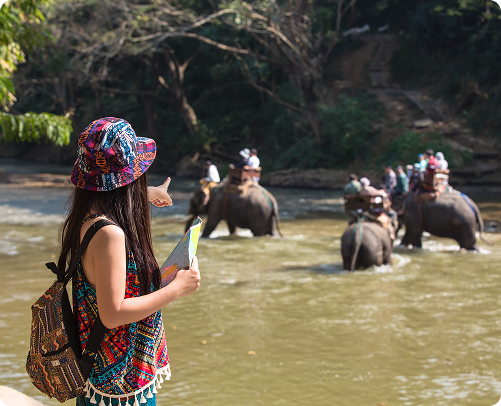
Tourism has long been one of the most resilient and lucrative sectors in South Africa, attracting millions of visitors each year. For the Bakgatla Ba Kgafela Kingdom, located in the North West Province and extending into Botswana’s Kgatleng District, tourism represents not only a commercial opportunity but also a chance to celebrate heritage, preserve culture, and share identity with the world. While Sun City remains a well-known magnet for international travelers, the broader Bakgatla landscape offers treasures that go far beyond luxury resorts—treasures rooted in nature, tradition, and community. Sun City: A Gateway, Not the Destination For decades, Sun City has stood as one of Africa’s premier entertainment resorts, drawing both local and international visitors. Positioned adjacent to Bakgatla land, it serves as an entry point into the region’s tourism economy. Yet Sun City’s entertainment focus means that many travelers never explore the surrounding areas—missing the authentic cultural and ecological richness of Bakgatla territories. By leveraging Sun City as a gateway rather than the sole attraction, the Bakgatla can redirect tourist flows into community-based tourism ventures, cultural routes, and eco-lodges that generate sustainable income and preserve heritage. Pilanesberg National Park: Untapped Potential Just minutes away from Sun City lies one of South Africa’s crown jewels—Pilanesberg National Park. Home to the Big Five and set within an ancient volcanic crater, Pilanesberg offers an unrivaled safari experience. Crucially, much of the land surrounding the park belongs to the Bakgatla Ba Kgafela, giving the Kingdom a strategic stake in shaping the visitor experience. Potential tourism synergies include: By integrating Pilanesberg’s wildlife draw with Bakgatla cultural assets, the Kingdom can differentiate its offering from traditional safari destinations. Cultural Routes: Walking Through History Beyond wildlife, Bakgatla lands are rich in cultural landmarks and ancestral heritage. These routes tell stories that resonate deeply with visitors seeking authenticity: In a global tourism market where authentic experiences are in high demand, the Bakgatla are uniquely positioned to deliver something rare: a living culture, proudly shared on its own terms. Economic Multipliers: Tourism as Community Wealth Tourism is a labor-rich industry, meaning its benefits extend broadly across communities. For the Bakgatla, developing routes beyond Sun City could create: Conservative estimates suggest that expanding cultural and eco-tourism initiatives could generate hundreds of new jobs and bring millions in annual revenue to Bakgatla households. Aligning Tourism With Global Trends Global travel trends are shifting. Tourists increasingly seek eco-friendly, culturally immersive, and socially responsible experiences. The Bakgatla’s offerings align perfectly with this shift: By positioning itself within these global currents, the Bakgatla Kingdom can attract not only standard tourists but also impact-driven travelers who prioritize sustainability and community upliftment. Building a Distinct Brand: Beyond the Resort While Sun City’s reputation is global, it does not define the Kingdom’s tourism brand. The Bakgatla have the opportunity to craft a distinct identity rooted in heritage, nature, and community. This brand would emphasize: Such positioning ensures that tourism revenues are not only captured but also retained within the Kingdom, fueling long-term empowerment. Strategic Investments and Partnerships To unlock tourism’s full potential, the Bakgatla can pursue partnerships in: Infrastructure such as improved roads, digital booking platforms, and multilingual marketing will be critical to positioning Bakgatla routes in the global tourism marketplace. Conclusion: A Tourism Future Rooted in Heritage The Bakgatla Ba Kgafela Kingdom holds a rare opportunity: to redefine what tourism in Southern Africa looks like. While Sun City remains a world-class resort, the true wealth lies in the lands, stories, and traditions of the Bakgatla people. By combining Pilanesberg’s global appeal with cultural routes and community-based initiatives, the Kingdom can transform tourism into a pillar of empowerment, identity, and prosperity. This is not about competing with Sun City—it is about going beyond it, creating experiences that blend heritage with sustainability and positioning the Bakgatla as a leader in Africa’s next generation of tourism. For visitors, it offers more than leisure. For the Bakgatla, it offers dignity, livelihoods, and intergenerational wealth—a legacy as enduring as the Kingdom itself.
Agriculture as a Pillar of Food Security and Job Creation in Bakgatla Lands

Agriculture has always been more than an economic activity—it is the foundation of food security, cultural continuity, and rural livelihoods. For the Bakgatla Ba Kgafela Kingdom, whose ancestral lands stretch across South Africa’s North West Province and Botswana’s Kgatleng District, agriculture represents one of the greatest opportunities to achieve sovereignty, resilience, and shared prosperity. While mining often dominates headlines, the soil beneath Bakgatla land holds a wealth of potential waiting to be cultivated. The Case for Agriculture in Bakgatla Lands The North West Province receives between 350–650 mm of annual rainfall, sufficient to support cereals like maize, sorghum, and sunflower. In Kgatleng, rainfall is lower (300–450 mm), but drought-tolerant crops such as pulses and groundnuts thrive with modern irrigation methods. Soils are varied but productive: Conservatively, the Bakgatla estate can mobilize 8,000–12,000 hectares of dryland farming and 1,000–2,000 hectares of irrigated horticulture, creating a diversified agricultural base. This natural resource base positions the Kingdom as a regional food basket—capable not only of feeding its own communities but also supplying surrounding markets. Addressing Structural Challenges Despite the opportunity, agriculture in South Africa and Botswana faces systemic hurdles: For the Bakgatla, these challenges translate into import dependency and lost income. Botswana currently imports more than 70% of its vegetables and grains, while South Africa is a net importer of wheat and rice. Substituting even a fraction of this demand locally would unlock millions of dollars in new revenue streams. Domestic and Regional Market Signals Agricultural markets around Bakgatla lands are large, growing, and often undersupplied: For the Bakgatla, entering these markets is less about creating demand and more about meeting unmet supply with competitive, high-quality output. Job Creation Through Agriculture Agriculture is labor-intensive, making it one of the most effective engines for employment in rural communities. At projected scales, Bakgatla farming could generate: Combined, this translates to 3,000–5,000 direct and indirect jobs at steady state—ranging from field labor to processing, logistics, and agri-services. Beyond numbers, agriculture provides inclusive pathways for women and youth. Nursery operations, horticulture clusters, and small-stock management are natural entry points for young entrepreneurs and female-led enterprises. Contract-farming models can also formalize 200–400 smallholders within three to five years, integrating them into profitable value chains. Food Security and Import Substitution One of the most pressing benefits of Bakgatla agriculture is its role in food sovereignty. By substituting imports with local production: This doesn’t just save money—it ensures households are less vulnerable to global price shocks and supply disruptions, improving nutrition and resilience at the community level. Value Addition and Logistics The real multiplier effect of agriculture lies in processing and distribution. Cleaning and grading grains adds 3–8% in value, milling adds 12–18%, and cold-chain horticulture packing can add 10–20%. Meat processing lifts livestock value by 15–25%. Strategically, the Bakgatla can invest in packhouses, micro-mills, and feedlots located near arterial routes like the N4/N1 in South Africa and A1 in Botswana. With 4–6 hour truck-to-market times, post-harvest losses are minimized and just-in-time deliveries to Johannesburg, Brits, Rustenburg, and Gaborone become feasible. Agriculture as Cultural and Economic Sovereignty For the Bakgatla Ba Kgafela, agriculture is not only about economics—it is about identity and continuity. Farming preserves traditional crops, indigenous knowledge, and cultural practices that connect the community to its land. When modern techniques are blended with traditional stewardship, agriculture becomes a living expression of sovereignty. Conclusion: Farming a Future of Prosperity Agriculture holds the power to redefine the Bakgatla economy. With fertile soils, access to regional markets, and the capacity to employ thousands, farming can be the Kingdom’s strongest pillar of food security and job creation. By mobilizing land, investing in value addition, and creating inclusive opportunities for women and youth, the Bakgatla Ba Kgafela can turn agriculture into a source of pride, prosperity, and intergenerational wealth. The choice is clear: mining may bring immediate revenues, but agriculture builds sustainable foundations—feeding families, employing communities, and empowering the Kingdom for generations to come.
Unlocking the Mineral Wealth of the North West: The Chrome Advantage

South Africa has long been known as one of the world’s mineral powerhouses. From gold and diamonds to platinum and coal, the country’s underground wealth has shaped its economy and global standing for more than a century. Yet in recent years, one mineral has risen above the rest as a strategic global resource: chrome. The North West Province, home to the Bakgatla Ba Kgafela Kingdom, sits at the heart of this opportunity. With proven chrome deposits running across the Bushveld Igneous Complex (BIC), the Kingdom holds within its lands one of the most valuable and enduring mineral reserves in the world. Properly managed, this mineral wealth can deliver generational prosperity, transforming the Kingdom into a hub of industrial and global importance. Why Chrome Matters Globally Chrome is no ordinary mineral. It is a critical input in stainless steel production, providing durability, corrosion resistance, and strength to infrastructure, vehicles, and consumer goods. Around 70% of global chrome demand is linked directly to stainless steel, which is indispensable to modern life. Beyond steel, chrome plays a vital role in: As global infrastructure grows, emerging economies industrialize, and sustainability becomes central, demand for stainless steel — and by extension, chrome — continues to rise. South Africa already accounts for over 70% of the world’s chrome reserves, placing the Bakgatla Ba Kgafela region in the center of a truly global supply chain. The Chrome Advantage of the North West While the North West Province is often associated with platinum group metals, recent surveys and aeromagnetic studies highlight the scale and richness of chrome seams within Bakgatla territories. The Bushveld Igneous Complex, one of the largest layered igneous intrusions in the world, is renowned for its chrome-rich strata. For the Bakgatla Ba Kgafela, this means: In essence, the chrome beneath Bakgatla soil is not just mineral wealth; it is economic sovereignty waiting to be unlocked. Lessons from the Past: Wealth Leakage Despite decades of mining across South Africa, local communities often remain excluded from the benefits. Opaque contracts, profit shifting, and limited community participation have led to what many describe as “wealth leakage” — where minerals enrich corporations and governments, but not the people living on the land. In the North West, mining contributes billions to provincial GDP and sustains over 100,000 jobs, yet surrounding communities still struggle with poverty, unemployment, and underdevelopment. For the Bakgatla, whose lands are among the richest in minerals, this paradox has been particularly stark. Recognizing chrome as a strategic anchor resource allows the Kingdom to avoid repeating these mistakes by ensuring local beneficiation, transparent governance, and reinvestment into community wealth. Beyond Extraction: Building Local Value Chains The true potential of chrome lies not only in mining but also in value addition. Instead of exporting raw ore, the Bakgatla Ba Kgafela can position themselves in downstream industries: Beneficiation creates jobs, skills, and industrial development, anchoring the Bakgatla not just as resource custodians but as active participants in global industry. The Chrome Opportunity for the Kingdom The chrome advantage presents a once-in-a-generation opportunity for the Bakgatla Ba Kgafela Kingdom. By treating chrome as the anchor of their mineral portfolio, the Kingdom can: Chrome in the Global ESG Landscape Today’s global investors increasingly prioritize Environmental, Social, and Governance (ESG) standards. Chrome from the Bakgatla Kingdom can be positioned as: Such positioning not only attracts capital but also builds trust and reputation, making Bakgatla chrome more competitive in global markets where ESG compliance is non-negotiable. Conclusion: The Chrome Future For too long, the mineral wealth of South Africa’s communities has been extracted without creating lasting prosperity. Chrome offers the Bakgatla Ba Kgafela Kingdom the chance to rewrite this story. By anchoring economic strategy around this globally critical mineral, ensuring beneficiation, and embedding community benefit at every stage, the Kingdom can transform mineral wealth into intergenerational prosperity. The chrome beneath the Bakgatla lands is not just ore — it is the cornerstone of a sustainable economic future. With vision, unity, and leadership, the Bakgatla can turn this advantage into a legacy that ensures their people thrive for generations to come.
Heritage Tourism: How Culture Can Drive Sustainable Economic Growth

Heritage is more than memory; it is living wealth. Across the world, communities are discovering that cultural identity and tradition are not only treasures of the past but engines of economic growth. Heritage tourism — the celebration of culture, history, and identity through travel experiences — is now one of the fastest-growing segments of the global tourism industry. For the Bakgatla Ba Kgafela Kingdom, with its ancestral lands straddling South Africa and Botswana, this sector offers extraordinary potential. By leveraging centuries of cultural heritage alongside natural beauty and strategic location, the Kingdom can build a sustainable tourism economy that empowers its people, preserves traditions, and attracts global attention. Why Heritage Tourism Matters Globally, heritage tourism accounts for billions in annual revenue. According to UNESCO and the World Tourism Organization, cultural tourism represents nearly 40% of global tourism activity. Visitors are increasingly seeking experiences that connect them with local culture, rituals, and authentic stories. Unlike traditional tourism, heritage tourism: For the Bakgatla, this is not a distant opportunity — it is a natural extension of who they are. The Bakgatla Advantage The Bakgatla Ba Kgafela hold unique advantages in building a heritage tourism hub: This combination of heritage, location, and narrative makes Bakgatla lands uniquely suited to capture the growing demand for authentic tourism. Sun City and Pilanesberg: Unlocking Tourism Potential Sun City and Pilanesberg are already household names in global tourism, attracting thousands of visitors each year for leisure, gaming, and wildlife experiences. Yet, many of these tourists pass through Bakgatla lands without engaging with the culture or community that surrounds them. By positioning itself as a cultural gateway to Sun City and Pilanesberg, the Bakgatla can capture this flow of visitors. Heritage villages, guided tours, storytelling evenings, traditional food experiences, and cultural festivals can complement existing attractions — giving tourists a reason to extend their stay and spend directly within the Kingdom. Models of Heritage Tourism Success Around the world, indigenous and traditional communities have successfully built sustainable economies around cultural tourism. Examples include: These examples prove that when heritage tourism is community-led and authentically managed, it not only generates revenue but also preserves and strengthens culture. Economic Benefits for the Bakgatla The economic impact of a thriving heritage tourism sector could be transformational: With South Africa’s tourism sector contributing over 3% of GDP and employing nearly 1.5 million people, the Bakgatla can secure a strong share of this growing industry. Sustainability and Cultural Sovereignty One of the challenges of tourism is the risk of cultural commodification — where traditions are staged purely for outsiders, losing authenticity. For the Bakgatla, heritage tourism must therefore be built on cultural sovereignty: the principle that the community decides how, when, and in what way its heritage is shared. By ensuring that the King, Traditional Council, and citizens oversee tourism initiatives, the Kingdom can: In this way, heritage tourism strengthens identity rather than eroding it. The Digital Dimension Modern heritage tourism extends beyond physical visits. The Bakgatla can harness technology to expand their reach: This hybrid model — physical and digital — maximizes the Kingdom’s cultural and economic footprint. Building a Heritage Tourism Roadmap For heritage tourism to thrive, it requires planning and phased implementation: This roadmap transforms heritage from untapped potential into a structured growth sector. Conclusion: Culture as Wealth For too long, the wealth of the Bakgatla Ba Kgafela has been measured only in minerals, land, and external partnerships. Heritage tourism reframes this narrative. It asserts that culture itself is wealth — renewable, authentic, and deeply tied to identity. By investing in heritage tourism, the Bakgatla Kingdom does more than create jobs or attract tourists. It builds pride, strengthens unity, and positions itself as a leader in sustainable, culture-driven development. In a world searching for authenticity, the Bakgatla can become a beacon — proving that cultural heritage is not just history to be remembered but a future to be lived.
The Role of the King: Guardian of Heritage, Catalyst for Innovation

In every traditional society, leadership defines the balance between past and future. The King is not merely a symbolic figurehead — he is the custodian of identity, the protector of ancestral values, and the architect of tomorrow. For the Bakgatla Ba Kgafela Kingdom, His Majesty embodies this dual responsibility: preserving centuries of cultural heritage while guiding the Kingdom into a digitally empowered, globally connected future. The King as Custodian of Heritage The Bakgatla Ba Kgafela trace their lineage across borders, with communities in both South Africa’s North West Province and Botswana’s Kgatleng District. This transnational heritage is deeply rooted in tradition: ceremonies, oral histories, land stewardship, and collective decision-making. At the center of this continuity stands the King. His role is to safeguard what defines the Bakgatla identity: This heritage is more than symbolic; it is the foundation of unity. In times of fragmentation and external pressures, the King represents continuity and legitimacy. The King as Catalyst for Innovation While heritage anchors the community, innovation ensures its survival and prosperity in a rapidly changing world. The King’s role is not only to protect tradition but to reimagine it in ways that serve the next generation. For the Bakgatla Ba Kgafela, this means: The King therefore becomes both custodian and innovator — ensuring that the digital age strengthens rather than erodes the community’s cultural foundation. Balancing Tradition with Modernity Leadership in the 21st century requires navigating paradoxes. For the Bakgatla Ba Kgafela, the King must balance: This balancing act requires wisdom, vision, and adaptability — qualities that define strong leadership. The King as Symbol of Unity In every society, leadership provides cohesion. For the Bakgatla Ba Kgafela, whose communities span two countries and include a significant diaspora, unity is vital. The King’s presence ensures that no matter where members live, they remain part of a larger collective identity. Technology strengthens this unity. Through digital wallets, diaspora members can participate in community projects. Through livestreamed cultural ceremonies, those abroad can reconnect with heritage. And through governance tokens, every member — whether in Moruleng, Mochudi, or abroad — can have a voice in shaping the Kingdom’s direction. The King remains the central figure who ensures these innovations enhance rather than fragment identity. A Global Example The Bakgatla Ba Kgafela are not alone in this journey. Across Africa and the world, indigenous and traditional leaders face the same challenge: how to remain relevant in a globalized, digitized economy. By embracing innovation without abandoning culture, the Bakgatla King offers a blueprint for others: This dual role positions the Bakgatla Kingdom not as a relic of the past but as a pioneer of the future. Conclusion: Leadership for Generations The role of the King is both timeless and urgent. Timeless because heritage must always be protected; urgent because the world is transforming rapidly, and communities that fail to adapt risk marginalization. For the Bakgatla Ba Kgafela, His Majesty’s leadership ensures that the Kingdom thrives in both dimensions. Heritage is preserved, not as nostalgia, but as the living heartbeat of community. Innovation is embraced, not as disruption, but as a pathway to dignity and empowerment. The King is therefore more than a leader. He is a bridge — between past and future, between land and digital space, between tradition and global opportunity. And through his leadership, the Bakgatla Ba Kgafela Kingdom stands as proof that cultural sovereignty and digital innovation can walk hand in hand.
Traditional Councils in the Digital Age: Blending Custom with Technology

Traditional councils have guided communities for centuries. They are more than political bodies; they are custodians of culture, guardians of land, and arbiters of justice rooted in values rather than bureaucracy. But as the world transforms under the weight of globalization and digital innovation, the question arises: how can traditional councils remain relevant while preserving their essence? The answer lies in embracing technology not as a replacement for custom, but as a partner — a tool that strengthens governance, enhances transparency, and ensures that traditions thrive in the modern age. The Role of Traditional Councils Across Africa, traditional councils play an integral role in community governance. They: For the Bakgatla Ba Kgafela Kingdom, the council is the backbone of sovereignty, providing continuity across generations. Yet the challenges of today — economic inequality, youth unemployment, and external pressures — require councils to evolve without losing legitimacy. Why Technology Matters Digital tools are often seen as the domain of modern corporations or governments. But in reality, they offer solutions that align naturally with traditional councils: For the Bakgatla, this means turning their council into a hybrid system of heritage and innovation. Digital Governance in Practice Imagine a dispute over land allocation. Traditionally, elders and leaders gather, deliberate, and issue a decision based on custom. In the digital age, this same process could be recorded on a blockchain-based governance system: This preserves the cultural process while adding a layer of accountability and permanence. Similarly, when community revenues are distributed — from mining royalties, agriculture, or tourism — digital tools ensure that every household receives its fair share directly, eliminating middlemen and disputes. Bridging Generations One of the greatest challenges for traditional councils is youth engagement. Younger generations, immersed in digital culture, often feel disconnected from rituals or decision-making forums. Technology changes this dynamic. For Bakgatla youth, this means not choosing between being global citizens and loyal community members — they can be both. Global Relevance The fusion of custom and technology is not only an African need. Around the world, indigenous councils, First Nations groups, and traditional governance bodies face the same challenge. By digitizing governance without diluting culture, communities create blueprints for sovereignty in the modern era. The Bakgatla Ba Kgafela stand at the forefront of this movement. With a governance model rooted in tradition and reinforced by digital infrastructure, they show that councils can be both ancient and future-facing. Safeguarding Cultural Integrity Critics often worry that technology may dilute culture or impose foreign values. But the key is control. When traditional councils themselves oversee digital tools, they decide: This ensures that digital adoption strengthens sovereignty instead of undermining it. For the Bakgatla, data sovereignty is as vital as land sovereignty — both are assets that must remain in the community’s hands. Toward Inclusive Prosperity By blending custom with technology, traditional councils achieve three goals: For the Bakgatla Ba Kgafela, this means moving from survival to prosperity, from passive participation in external systems to active leadership in shaping their own future. Conclusion: A Living Tradition The digital age does not have to erase tradition. Instead, it can amplify it. Traditional councils, far from being relics of the past, are living institutions that can evolve and thrive. The Bakgatla Ba Kgafela Kingdom demonstrates how blending custom with technology creates a governance system that is both accountable and authentic, modern yet rooted, local yet globally connected. In a world searching for models of inclusive development, this approach offers a path forward — one where technology serves people, culture, and sovereignty, not the other way around.
Why Cultural Sovereignty Matters in a Globalized World

In today’s interconnected world, cultures are more exposed than ever. From global trade and technology to migration and social media, communities are increasingly shaped by forces far beyond their borders. While globalization brings opportunity, it also brings risk: the erosion of identity, the loss of traditional systems, and the dominance of external values. This is where cultural sovereignty becomes essential. It is the ability of a people to define, preserve, and advance their way of life on their own terms. For traditional communities like the Bakgatla Ba Kgafela Kingdom, cultural sovereignty is not just symbolic — it is the cornerstone of survival, dignity, and prosperity in the 21st century. What Is Cultural Sovereignty? Cultural sovereignty refers to the right and power of a community to maintain and govern its cultural traditions, languages, customs, and institutions without interference. Unlike political sovereignty, which is exercised through state structures, cultural sovereignty lives in the daily practices, values, and shared identity of a people. It ensures that modernization does not mean assimilation. Instead, it allows communities to interact with the global economy while safeguarding their unique heritage. The Global Challenge: Homogenization One of globalization’s paradoxes is that while it connects diverse cultures, it often produces homogenization. Multinational corporations, mass media, and global consumer trends push communities toward uniform lifestyles. This can weaken indigenous governance systems, sideline traditional economies, and erode languages and practices that have existed for centuries. Without deliberate protection, cultural distinctiveness risks becoming a museum relic rather than a living, evolving system. Why It Matters for Communities Like Bakgatla For the Bakgatla Ba Kgafela, cultural sovereignty means more than pride. It ensures that: Without sovereignty, the Bakgatla risk becoming passive participants in systems designed elsewhere. With sovereignty, they shape development in a way that reflects who they are as a people. Global Relevance: Lessons for All Nations Cultural sovereignty is not unique to Africa. Across the globe, nations and communities grapple with the balance between globalization and identity. Whether it is Indigenous peoples in the Americas, First Nations in Canada, or island states in the Pacific, the challenge is the same: how to benefit from global networks without losing cultural DNA. In this sense, the Bakgatla initiative to embed cultural sovereignty into a digital economy is a global case study. It demonstrates that modernization can be designed to enhance tradition rather than erase it. The Role of Technology Far from being a threat, technology can safeguard sovereignty when applied thoughtfully. Digital platforms enable communities to: For the Bakgatla, the integration of blockchain governance, tokenized assets, and digital identity systems ensures that culture drives the economy, not the other way around. Cultural Sovereignty and Sustainable Development The UN’s Sustainable Development Goals (SDGs) emphasize inclusive, resilient, and locally grounded growth. Cultural sovereignty aligns perfectly with this vision. Development that ignores culture risks alienating people and undermining legitimacy. Development that respects culture, however, creates ownership, accountability, and long-term sustainability. For example: A Blueprint for Future Generations The importance of cultural sovereignty is not only about today. It is about ensuring that future generations inherit both the tools of modernity and the roots of identity. For the Bakgatla, this means creating an ecosystem where young people can be digitally skilled global citizens while remaining proud custodians of their traditions. This balance provides intergenerational dignity: the knowledge that progress does not require abandoning heritage. Conclusion: Sovereignty in the Age of Globalization As globalization accelerates, the voices of traditional communities risk being drowned out. Cultural sovereignty is the safeguard — a reminder that progress without identity is hollow. The Bakgatla Ba Kgafela Kingdom illustrates how cultural sovereignty can be practical, modern, and empowering. By embedding heritage into governance, economics, and digital systems, they prove that sovereignty is not just about borders — it is about belonging. In a world hungry for authenticity and inclusivity, cultural sovereignty matters more than ever. It is not a resistance to globalization but a recalibration — a way to ensure that the global future is not uniform but richly diverse, with every community thriving in its own voice.
The Legacy of the Bakgatla Kingdom: Heritage, Resilience, and a Digital Future
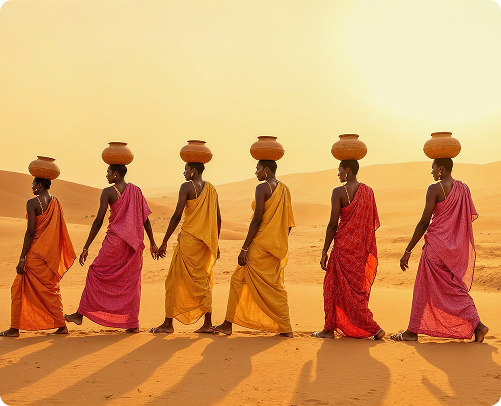
The Bakgatla Ba Kgafela Kingdom is one of Southern Africa’s most enduring traditional communities, carrying a legacy of unity, resilience, and cultural pride that spans centuries. Rooted in ancestral lands that stretch across South Africa’s North West Province and Botswana’s Kgatleng District, the Bakgatla have maintained their identity through colonial disruptions, modern political changes, and the challenges of globalization. Today, as the world turns toward digital innovation, the Kingdom stands ready to embrace the future while safeguarding its heritage. This article explores the historical roots, cultural richness, and future vision of the Bakgatla Ba Kgafela — a community that demonstrates how tradition and innovation can coexist to build intergenerational prosperity. A Kingdom Rooted in History The Bakgatla are part of the Tswana-speaking peoples, with deep traditions of governance, communal living, and respect for ancestral customs. Historically, they were known as cattle herders, farmers, and warriors who defended their lands and way of life against external threats. Their territory includes some of the most resource-rich areas in Southern Africa, particularly in mining, agriculture, and cultural tourism. What sets the Bakgatla apart is their continuity of leadership and governance. The Kingdom is headed by His Majesty Kgosikgolo Kgafela Kgafela II, supported by a traditional council that ensures community decisions align with cultural values. This governance model blends consensus-based leadership with modern structures, maintaining both legitimacy and adaptability. Cultural Sovereignty and Identity For the Bakgatla, heritage is not simply a story of the past — it is a living system of values and practices. Traditional ceremonies, oral storytelling, music, and attire form an integral part of the Kingdom’s cultural identity. These customs ensure that younger generations remain connected to their roots, even as they engage with modern education and technology. The Kingdom also places great emphasis on land as heritage. Ancestral lands are not just economic assets; they are symbolic of identity, belonging, and sovereignty. This perspective underscores the importance of land reform, stewardship, and community-driven development in Bakgatla strategies for the future. Economic Potential: Riches of the Land The Bakgatla are uniquely positioned in a region of high economic potential. Their territories overlap with the Bushveld Igneous Complex (BIC) — one of the world’s richest geological formations, known for chrome and platinum group metals. Independent surveys confirm proven reserves, making mining a cornerstone of the Kingdom’s wealth. Beyond minerals, the Bakgatla also hold fertile agricultural land capable of supporting grains, horticulture, and livestock. With regional demand for food security rising, this agricultural base represents both a commercial opportunity and a social safety net. Tourism is another major pillar. The Bakgatla region sits adjacent to Sun City and the Pilanesberg National Park, two of South Africa’s most visited destinations. By integrating cultural heritage tourism with eco-tourism, the Kingdom can capture greater value from its location while promoting its traditions to a global audience. Challenges That Shaped Resilience Despite these riches, the Bakgatla community — like many traditional societies — has faced systemic exclusion from economic participation. For decades, mining contracts enriched corporations while local communities saw little reinvestment. Similarly, agricultural and tourism value chains often bypassed rural citizens, perpetuating cycles of poverty and underdevelopment. Yet these challenges have forged resilience. The Kingdom’s response has been to reassert sovereignty — both politically and economically. With a constitution already drafted in 2025 and recognition agreements in place, the Bakgatla are creating a governance and financial framework that ensures wealth generated from the land directly benefits the people. A Digital Future Anchored in Tradition The next chapter of the Bakgatla story is about merging heritage with digital tools. The Kingdom is pioneering a sovereign digital economy, underpinned by: This digital ecosystem ensures that wealth circulates within the Kingdom, supports local initiatives, and enables global investors — particularly the diaspora — to participate in development. Community Empowerment Through Education Central to the Kingdom’s digital transformation is education. Financial literacy campaigns, digital skills training, and youth empowerment programs are being designed to prepare citizens for participation in the new economy. The Bakgatla Academy will serve as both an educational platform and an incentive-driven system, rewarding learning through digital tokens. By embedding education into the economy itself, the Kingdom ensures that adoption of new systems is both inclusive and sustainable. A Model for Africa and Beyond The Bakgatla Ba Kgafela are not only shaping their own future; they are offering a blueprint for other traditional kingdoms and communities across Africa. Their model shows how cultural sovereignty can coexist with innovation, ensuring that modernization does not erase identity but strengthens it. At a time when global investors seek projects that combine profitability with impact (ESG investments), the Bakgatla are uniquely positioned. Their initiative aligns with sustainability, governance, and community benefit — making them a compelling case for long-term partnerships. Conclusion: Heritage as the Foundation of the Future The legacy of the Bakgatla Kingdom is more than history; it is a living force shaping the present and future. By combining the strength of their traditions with the opportunities of digital innovation, the Bakgatla are building a model of inclusive prosperity that can inspire not only Africa but the world. As His Majesty Kgosikgolo Kgafela Kgafela II leads this transformation, the message is clear: the Bakgatla Kingdom is open to collaboration, investment, and global partnership — but always on terms that preserve sovereignty and dignity. The story of the Bakgatla is not just about survival. It is about thriving in the 21st century while honoring centuries of tradition.