
The Role of the King: Guardian of Heritage, Catalyst for Innovation

In every traditional society, leadership defines the balance between past and future. The King is not merely a symbolic figurehead — he is the custodian of identity, the protector of ancestral values, and the architect of tomorrow. For the Bakgatla Ba Kgafela Kingdom, His Majesty embodies this dual responsibility: preserving centuries of cultural heritage while guiding the Kingdom into a digitally empowered, globally connected future. The King as Custodian of Heritage The Bakgatla Ba Kgafela trace their lineage across borders, with communities in both South Africa’s North West Province and Botswana’s Kgatleng District. This transnational heritage is deeply rooted in tradition: ceremonies, oral histories, land stewardship, and collective decision-making. At the center of this continuity stands the King. His role is to safeguard what defines the Bakgatla identity: This heritage is more than symbolic; it is the foundation of unity. In times of fragmentation and external pressures, the King represents continuity and legitimacy. The King as Catalyst for Innovation While heritage anchors the community, innovation ensures its survival and prosperity in a rapidly changing world. The King’s role is not only to protect tradition but to reimagine it in ways that serve the next generation. For the Bakgatla Ba Kgafela, this means: The King therefore becomes both custodian and innovator — ensuring that the digital age strengthens rather than erodes the community’s cultural foundation. Balancing Tradition with Modernity Leadership in the 21st century requires navigating paradoxes. For the Bakgatla Ba Kgafela, the King must balance: This balancing act requires wisdom, vision, and adaptability — qualities that define strong leadership. The King as Symbol of Unity In every society, leadership provides cohesion. For the Bakgatla Ba Kgafela, whose communities span two countries and include a significant diaspora, unity is vital. The King’s presence ensures that no matter where members live, they remain part of a larger collective identity. Technology strengthens this unity. Through digital wallets, diaspora members can participate in community projects. Through livestreamed cultural ceremonies, those abroad can reconnect with heritage. And through governance tokens, every member — whether in Moruleng, Mochudi, or abroad — can have a voice in shaping the Kingdom’s direction. The King remains the central figure who ensures these innovations enhance rather than fragment identity. A Global Example The Bakgatla Ba Kgafela are not alone in this journey. Across Africa and the world, indigenous and traditional leaders face the same challenge: how to remain relevant in a globalized, digitized economy. By embracing innovation without abandoning culture, the Bakgatla King offers a blueprint for others: This dual role positions the Bakgatla Kingdom not as a relic of the past but as a pioneer of the future. Conclusion: Leadership for Generations The role of the King is both timeless and urgent. Timeless because heritage must always be protected; urgent because the world is transforming rapidly, and communities that fail to adapt risk marginalization. For the Bakgatla Ba Kgafela, His Majesty’s leadership ensures that the Kingdom thrives in both dimensions. Heritage is preserved, not as nostalgia, but as the living heartbeat of community. Innovation is embraced, not as disruption, but as a pathway to dignity and empowerment. The King is therefore more than a leader. He is a bridge — between past and future, between land and digital space, between tradition and global opportunity. And through his leadership, the Bakgatla Ba Kgafela Kingdom stands as proof that cultural sovereignty and digital innovation can walk hand in hand.
Traditional Councils in the Digital Age: Blending Custom with Technology

Traditional councils have guided communities for centuries. They are more than political bodies; they are custodians of culture, guardians of land, and arbiters of justice rooted in values rather than bureaucracy. But as the world transforms under the weight of globalization and digital innovation, the question arises: how can traditional councils remain relevant while preserving their essence? The answer lies in embracing technology not as a replacement for custom, but as a partner — a tool that strengthens governance, enhances transparency, and ensures that traditions thrive in the modern age. The Role of Traditional Councils Across Africa, traditional councils play an integral role in community governance. They: For the Bakgatla Ba Kgafela Kingdom, the council is the backbone of sovereignty, providing continuity across generations. Yet the challenges of today — economic inequality, youth unemployment, and external pressures — require councils to evolve without losing legitimacy. Why Technology Matters Digital tools are often seen as the domain of modern corporations or governments. But in reality, they offer solutions that align naturally with traditional councils: For the Bakgatla, this means turning their council into a hybrid system of heritage and innovation. Digital Governance in Practice Imagine a dispute over land allocation. Traditionally, elders and leaders gather, deliberate, and issue a decision based on custom. In the digital age, this same process could be recorded on a blockchain-based governance system: This preserves the cultural process while adding a layer of accountability and permanence. Similarly, when community revenues are distributed — from mining royalties, agriculture, or tourism — digital tools ensure that every household receives its fair share directly, eliminating middlemen and disputes. Bridging Generations One of the greatest challenges for traditional councils is youth engagement. Younger generations, immersed in digital culture, often feel disconnected from rituals or decision-making forums. Technology changes this dynamic. For Bakgatla youth, this means not choosing between being global citizens and loyal community members — they can be both. Global Relevance The fusion of custom and technology is not only an African need. Around the world, indigenous councils, First Nations groups, and traditional governance bodies face the same challenge. By digitizing governance without diluting culture, communities create blueprints for sovereignty in the modern era. The Bakgatla Ba Kgafela stand at the forefront of this movement. With a governance model rooted in tradition and reinforced by digital infrastructure, they show that councils can be both ancient and future-facing. Safeguarding Cultural Integrity Critics often worry that technology may dilute culture or impose foreign values. But the key is control. When traditional councils themselves oversee digital tools, they decide: This ensures that digital adoption strengthens sovereignty instead of undermining it. For the Bakgatla, data sovereignty is as vital as land sovereignty — both are assets that must remain in the community’s hands. Toward Inclusive Prosperity By blending custom with technology, traditional councils achieve three goals: For the Bakgatla Ba Kgafela, this means moving from survival to prosperity, from passive participation in external systems to active leadership in shaping their own future. Conclusion: A Living Tradition The digital age does not have to erase tradition. Instead, it can amplify it. Traditional councils, far from being relics of the past, are living institutions that can evolve and thrive. The Bakgatla Ba Kgafela Kingdom demonstrates how blending custom with technology creates a governance system that is both accountable and authentic, modern yet rooted, local yet globally connected. In a world searching for models of inclusive development, this approach offers a path forward — one where technology serves people, culture, and sovereignty, not the other way around.
Why Cultural Sovereignty Matters in a Globalized World

In today’s interconnected world, cultures are more exposed than ever. From global trade and technology to migration and social media, communities are increasingly shaped by forces far beyond their borders. While globalization brings opportunity, it also brings risk: the erosion of identity, the loss of traditional systems, and the dominance of external values. This is where cultural sovereignty becomes essential. It is the ability of a people to define, preserve, and advance their way of life on their own terms. For traditional communities like the Bakgatla Ba Kgafela Kingdom, cultural sovereignty is not just symbolic — it is the cornerstone of survival, dignity, and prosperity in the 21st century. What Is Cultural Sovereignty? Cultural sovereignty refers to the right and power of a community to maintain and govern its cultural traditions, languages, customs, and institutions without interference. Unlike political sovereignty, which is exercised through state structures, cultural sovereignty lives in the daily practices, values, and shared identity of a people. It ensures that modernization does not mean assimilation. Instead, it allows communities to interact with the global economy while safeguarding their unique heritage. The Global Challenge: Homogenization One of globalization’s paradoxes is that while it connects diverse cultures, it often produces homogenization. Multinational corporations, mass media, and global consumer trends push communities toward uniform lifestyles. This can weaken indigenous governance systems, sideline traditional economies, and erode languages and practices that have existed for centuries. Without deliberate protection, cultural distinctiveness risks becoming a museum relic rather than a living, evolving system. Why It Matters for Communities Like Bakgatla For the Bakgatla Ba Kgafela, cultural sovereignty means more than pride. It ensures that: Without sovereignty, the Bakgatla risk becoming passive participants in systems designed elsewhere. With sovereignty, they shape development in a way that reflects who they are as a people. Global Relevance: Lessons for All Nations Cultural sovereignty is not unique to Africa. Across the globe, nations and communities grapple with the balance between globalization and identity. Whether it is Indigenous peoples in the Americas, First Nations in Canada, or island states in the Pacific, the challenge is the same: how to benefit from global networks without losing cultural DNA. In this sense, the Bakgatla initiative to embed cultural sovereignty into a digital economy is a global case study. It demonstrates that modernization can be designed to enhance tradition rather than erase it. The Role of Technology Far from being a threat, technology can safeguard sovereignty when applied thoughtfully. Digital platforms enable communities to: For the Bakgatla, the integration of blockchain governance, tokenized assets, and digital identity systems ensures that culture drives the economy, not the other way around. Cultural Sovereignty and Sustainable Development The UN’s Sustainable Development Goals (SDGs) emphasize inclusive, resilient, and locally grounded growth. Cultural sovereignty aligns perfectly with this vision. Development that ignores culture risks alienating people and undermining legitimacy. Development that respects culture, however, creates ownership, accountability, and long-term sustainability. For example: A Blueprint for Future Generations The importance of cultural sovereignty is not only about today. It is about ensuring that future generations inherit both the tools of modernity and the roots of identity. For the Bakgatla, this means creating an ecosystem where young people can be digitally skilled global citizens while remaining proud custodians of their traditions. This balance provides intergenerational dignity: the knowledge that progress does not require abandoning heritage. Conclusion: Sovereignty in the Age of Globalization As globalization accelerates, the voices of traditional communities risk being drowned out. Cultural sovereignty is the safeguard — a reminder that progress without identity is hollow. The Bakgatla Ba Kgafela Kingdom illustrates how cultural sovereignty can be practical, modern, and empowering. By embedding heritage into governance, economics, and digital systems, they prove that sovereignty is not just about borders — it is about belonging. In a world hungry for authenticity and inclusivity, cultural sovereignty matters more than ever. It is not a resistance to globalization but a recalibration — a way to ensure that the global future is not uniform but richly diverse, with every community thriving in its own voice.
The Legacy of the Bakgatla Kingdom: Heritage, Resilience, and a Digital Future
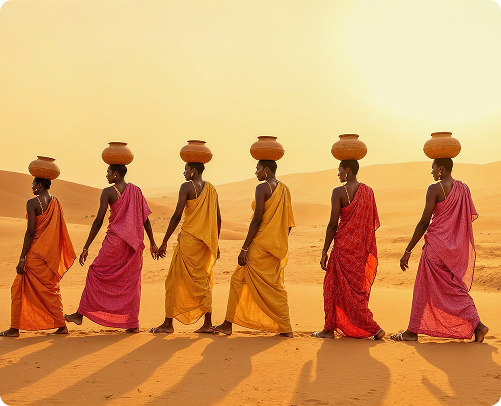
The Bakgatla Ba Kgafela Kingdom is one of Southern Africa’s most enduring traditional communities, carrying a legacy of unity, resilience, and cultural pride that spans centuries. Rooted in ancestral lands that stretch across South Africa’s North West Province and Botswana’s Kgatleng District, the Bakgatla have maintained their identity through colonial disruptions, modern political changes, and the challenges of globalization. Today, as the world turns toward digital innovation, the Kingdom stands ready to embrace the future while safeguarding its heritage. This article explores the historical roots, cultural richness, and future vision of the Bakgatla Ba Kgafela — a community that demonstrates how tradition and innovation can coexist to build intergenerational prosperity. A Kingdom Rooted in History The Bakgatla are part of the Tswana-speaking peoples, with deep traditions of governance, communal living, and respect for ancestral customs. Historically, they were known as cattle herders, farmers, and warriors who defended their lands and way of life against external threats. Their territory includes some of the most resource-rich areas in Southern Africa, particularly in mining, agriculture, and cultural tourism. What sets the Bakgatla apart is their continuity of leadership and governance. The Kingdom is headed by His Majesty Kgosikgolo Kgafela Kgafela II, supported by a traditional council that ensures community decisions align with cultural values. This governance model blends consensus-based leadership with modern structures, maintaining both legitimacy and adaptability. Cultural Sovereignty and Identity For the Bakgatla, heritage is not simply a story of the past — it is a living system of values and practices. Traditional ceremonies, oral storytelling, music, and attire form an integral part of the Kingdom’s cultural identity. These customs ensure that younger generations remain connected to their roots, even as they engage with modern education and technology. The Kingdom also places great emphasis on land as heritage. Ancestral lands are not just economic assets; they are symbolic of identity, belonging, and sovereignty. This perspective underscores the importance of land reform, stewardship, and community-driven development in Bakgatla strategies for the future. Economic Potential: Riches of the Land The Bakgatla are uniquely positioned in a region of high economic potential. Their territories overlap with the Bushveld Igneous Complex (BIC) — one of the world’s richest geological formations, known for chrome and platinum group metals. Independent surveys confirm proven reserves, making mining a cornerstone of the Kingdom’s wealth. Beyond minerals, the Bakgatla also hold fertile agricultural land capable of supporting grains, horticulture, and livestock. With regional demand for food security rising, this agricultural base represents both a commercial opportunity and a social safety net. Tourism is another major pillar. The Bakgatla region sits adjacent to Sun City and the Pilanesberg National Park, two of South Africa’s most visited destinations. By integrating cultural heritage tourism with eco-tourism, the Kingdom can capture greater value from its location while promoting its traditions to a global audience. Challenges That Shaped Resilience Despite these riches, the Bakgatla community — like many traditional societies — has faced systemic exclusion from economic participation. For decades, mining contracts enriched corporations while local communities saw little reinvestment. Similarly, agricultural and tourism value chains often bypassed rural citizens, perpetuating cycles of poverty and underdevelopment. Yet these challenges have forged resilience. The Kingdom’s response has been to reassert sovereignty — both politically and economically. With a constitution already drafted in 2025 and recognition agreements in place, the Bakgatla are creating a governance and financial framework that ensures wealth generated from the land directly benefits the people. A Digital Future Anchored in Tradition The next chapter of the Bakgatla story is about merging heritage with digital tools. The Kingdom is pioneering a sovereign digital economy, underpinned by: This digital ecosystem ensures that wealth circulates within the Kingdom, supports local initiatives, and enables global investors — particularly the diaspora — to participate in development. Community Empowerment Through Education Central to the Kingdom’s digital transformation is education. Financial literacy campaigns, digital skills training, and youth empowerment programs are being designed to prepare citizens for participation in the new economy. The Bakgatla Academy will serve as both an educational platform and an incentive-driven system, rewarding learning through digital tokens. By embedding education into the economy itself, the Kingdom ensures that adoption of new systems is both inclusive and sustainable. A Model for Africa and Beyond The Bakgatla Ba Kgafela are not only shaping their own future; they are offering a blueprint for other traditional kingdoms and communities across Africa. Their model shows how cultural sovereignty can coexist with innovation, ensuring that modernization does not erase identity but strengthens it. At a time when global investors seek projects that combine profitability with impact (ESG investments), the Bakgatla are uniquely positioned. Their initiative aligns with sustainability, governance, and community benefit — making them a compelling case for long-term partnerships. Conclusion: Heritage as the Foundation of the Future The legacy of the Bakgatla Kingdom is more than history; it is a living force shaping the present and future. By combining the strength of their traditions with the opportunities of digital innovation, the Bakgatla are building a model of inclusive prosperity that can inspire not only Africa but the world. As His Majesty Kgosikgolo Kgafela Kgafela II leads this transformation, the message is clear: the Bakgatla Kingdom is open to collaboration, investment, and global partnership — but always on terms that preserve sovereignty and dignity. The story of the Bakgatla is not just about survival. It is about thriving in the 21st century while honoring centuries of tradition.